Argentine truco rules
How to play Argentine truco with four players, two against two: the cards, the rounds, the calls and the scoring. These are the rules the Barajamos table applies; at the end you will see what changes at other tables.
Goal
Two pairs play. The first pair to reach 30 points wins the game.
The first fifteen points are the bad ones (malas) and the next fifteen, the good ones (buenas). Points come from the envido and the truco of each hand.
Players and pairs
There are four players in two fixed pairs. Partners sit opposite each other and play goes anticlockwise.
The cards
The 40-card Spanish deck is used: ace to seven plus the jack, knight and king of the four suits. There are no eights or nines.
12 cards are dealt each hand and the other 28 are not used. You do not have to follow suit: everyone plays the card they want.
Order of the cards
From highest to lowest. Cards on the same step are worth the same.
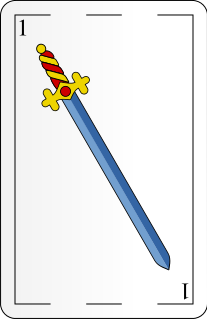 Ace of swords (el macho)
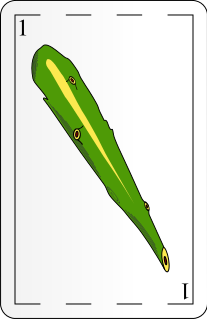 Ace of clubs (la hembra)
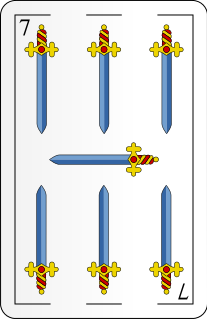 Seven of swords
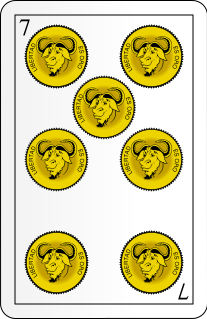 Seven of coins
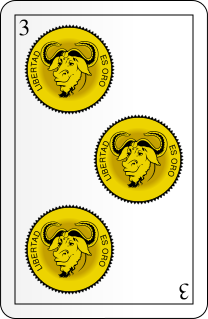 The four threes
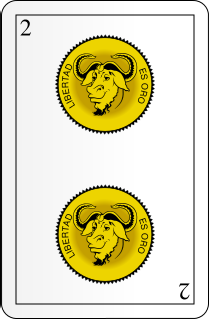 The four twos
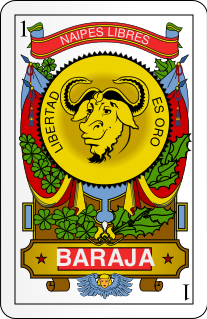
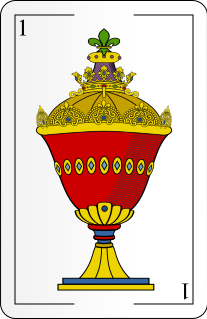 Ace of cups and ace of coins (false aces)
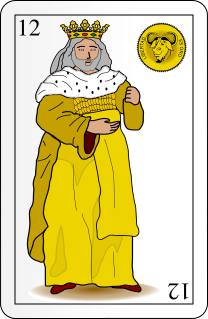 The four kings
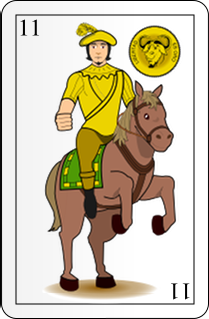 The four knights
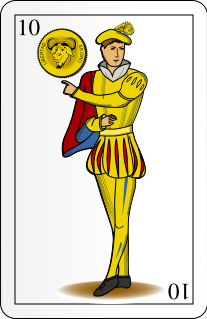 The four jacks
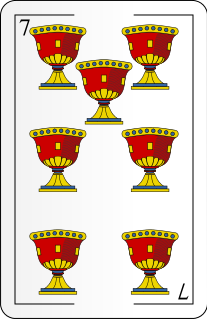
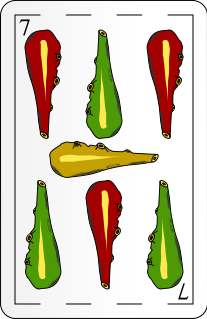 Seven of cups and seven of clubs (false sevens)
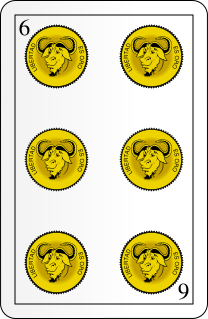 The four sixes
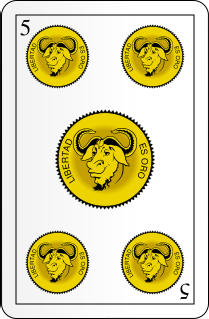 The four fives
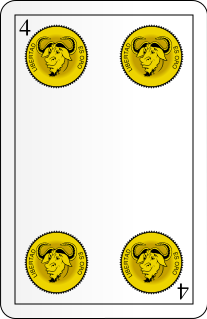 The four fours
The deal and the lead
Each player gets three cards, one at a time. The player sitting to the right of the dealer is the lead (mano): they play first and win envido ties. After each hand, the next player deals.
On Barajamos the first dealer is drawn at random.
Rounds and ties
Each hand has up to three rounds. In each round all four play a card and the highest wins. If the two highest cards are on the same step and belong to different pairs, the round is a tie (parda); if they belong to two partners, the round goes to their pair.
Whoever won the previous round leads the next one. After a tie, whoever opened the tied round leads again.
| Rounds | The hand goes to |
|---|---|
| One pair wins two | That pair, without playing the third |
| One won and one tied in the first two | The pair that won |
| The first two tied | Whoever wins the third |
| One for each pair and one tie | The first to win a round |
| Three ties | The lead player’s pair |
The envido
The envido is a separate bet on each player’s count (tanto). Two cards of the same suit add 20 plus their numbers, and the jack, knight and king are worth zero. With three of the same suit, the best two count. If you do not have two of the same suit, your count is your highest card. The maximum is 33: the seven and the six of the same suit.
- Seven and six of coins and an ace of cups: 33.
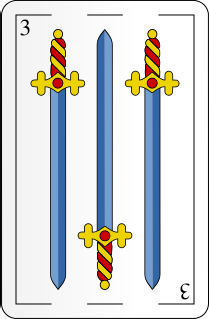
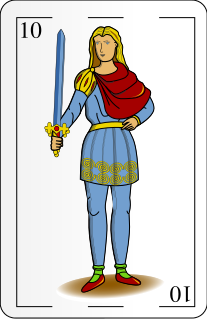 Seven, three and jack of swords: the best two count, 30.
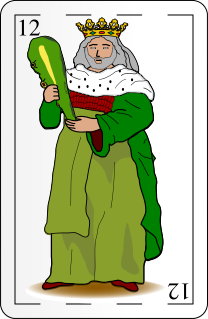
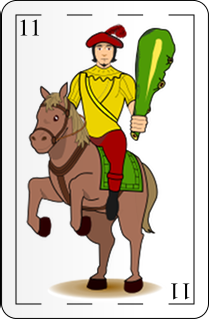 King and knight of clubs: face cards add nothing, 20.
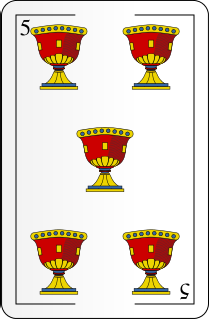
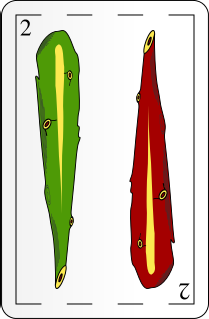 No two of the same suit: the highest card counts, 5.
It is called on your turn in the first round, before you play your first card, if nobody has called it yet and the truco has not been called. Bets only go up: the Envido can be repeated once (“envido, envido”), the Real envido is called once and the Falta envido closes the chain. Whoever answers can accept (quiero), refuse (no quiero) or raise.
| Calls | Accepted | Refused |
|---|---|---|
| Envido | 2 | 1 |
| Envido, envido | 4 | 2 |
| Real envido | 3 | 1 |
| Envido, real envido | 5 | 2 |
| Envido, envido, real envido | 7 | 4 |
| Falta envido | The falta (see below) | 1 |
| Envido, falta envido | The falta (see below) | 2 |
If it is refused, the caller takes what the chain was worth before the last call, and at least one point.
The falta is worth what the leading pair needs to reach 30: at 22 to 10, the falta is worth 8. If the leading pair wins it, they win the game; if the other pair wins it, they add those same points.
Once the envido is accepted, the counts are declared starting from the lead. Whoever beats what the other pair declared says their count, and whoever does not says “son buenas” (they’re good). With the same count, whoever is closer to the lead wins. On Barajamos the table declares the counts for you and, at the end of the hand, shows the winner’s cards.
Envido points are added at once. If they take a pair to 30, the game ends without playing the rounds.
The envido comes first: if you are called truco in the first round and have not played yet, you can answer with the envido. Once the envido is settled, the truco is answered. Once the truco is answered, there is no more envido in that hand.
The truco
With no call, the hand is worth 1 point. Anyone can call the first truco on their turn to play. The raises can only be called by the pair that accepted the last bet, also on their turn.
| Call | Accepted, the hand is worth | Refused, the caller scores |
|---|---|---|
| Truco | 2 | 1 |
| Retruco | 3 | 2 |
| Vale cuatro | 4 | 3 |
It is answered by accepting, refusing or raising. Raising already accepts the call: “quiero retruco”, “quiero vale cuatro”. If it is refused, the hand ends and the caller takes what it was worth before. An accepted vale cuatro cannot be raised.
The whole pair answers. If both partners vote the same, it is decided at once. If not, they have ten seconds to agree and, without agreement, it is a “no quiero”.
Folding
On your turn to play you can fold (irse al mazo): you put down your cards and do not play the rest of the hand, but your partner carries on. If the whole pair folds, the other pair takes what the truco is worth, plus one point if the envido could still be called.
Scoring and the end of the game
The envido is scored as soon as it is settled and the truco, at the end of the hand; the summary of each hand shows both. If nobody has reached 30, the next hand is dealt. The game ends as soon as a pair reaches 30 points.
If someone loses the connection
Losing the connection is not folding and gives nobody any points. Your chair waits for you for a minute and, if you come back, you get your seat and your cards back. If you do not come back, the game is cancelled and everyone returns to the room. If it drops while a vote is pending, your vote counts as “no quiero”.
How it is played on Barajamos
These choices are fixed at the Barajamos table:
- No flor.
- The game is to 30 points, fifteen bad and fifteen good.
- The first dealer is drawn at random and the deal goes round anticlockwise.
- The table declares the counts: nobody can declare a false count or skip showing their cards.
- You can only fold on your turn to play.
- The pair answers calls with a vote from both partners, with ten seconds to agree.
Variants at other tables
Truco changes from one table to another. Many play with flor (three cards of the same suit), others to 15 points instead of 30, and it is also played one against one or with six players. You will find more information on the Spanish Wikipedia. On Barajamos it is played with the rules on this page.
Glossary
- Malas and buenas
- The first fifteen points of the game are the bad ones (malas) and the next fifteen, the good ones (buenas).
- Hand (mano)
- What is played with each deal: up to three rounds, with their envido and truco. The player who leads first is also called the mano.
- Round (ronda)
- Each turn in which all four play a card.
- Tie (parda)
- A round tied between the two pairs.
- Macho and hembra
- The ace of swords and the ace of clubs, the two highest cards.
- False aces (anchos falsos)
- The ace of cups and the ace of coins, worth much less than the aces of swords and clubs.
- Count (tanto)
- What your cards add up to for the envido.
- Son buenas
- What you say in the envido when your opponent’s count beats yours.
- Flor
- Three cards of the same suit, which at some tables score separately. Barajamos plays without flor.
- Folding (irse al mazo)
- Putting down your cards and not playing the rest of the hand.
Shall we try it?
The best way to learn it is to play a hand. Against bots you go at your own pace.