Mus rules
How to play Mus with four players, two against two: the cards, mus and the discard, the four rounds, the bets and the scoring, with four or eight kings. These are the rules the Barajamos table applies; at the end you will see what changes at other tables.
Goal
Two pairs play. The first pair to reach 40 points wins the game.
Points come from the four rounds of each hand: Big, Small, Pairs and Game, or Point if nobody has Game. An accepted órdago decides the game at a stroke.
Players and pairs
There are four players in two fixed pairs. Partners sit opposite each other and play goes anticlockwise, so when speaking in turn the pairs alternate.
The cards
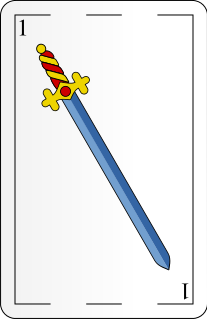
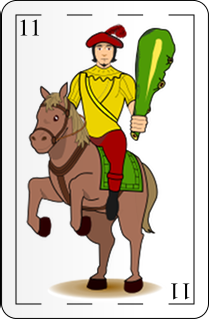
The 40-card Spanish deck is used: ace to seven plus the jack, knight and king of the four suits. There are no eights or nines.
The suit does not count at all: only the number matters. For Game and Point, the king, knight and jack are worth 10, and the rest, their number.
Four or eight kings
On Barajamos you choose the mode when you start: “Mus · 4 kings” or “Mus · 8 kings”.
- With four kings, each card is what it shows: the three is a three and the two, a two.
- With eight kings, threes are kings and twos are aces in every round. For Game, the three is worth 10 and the two, 1.
Order of the cards
For Big, from the highest card to the lowest. With four kings:
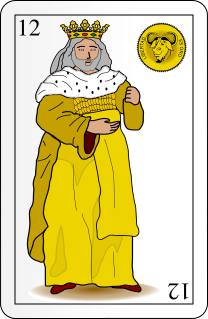 The four kings
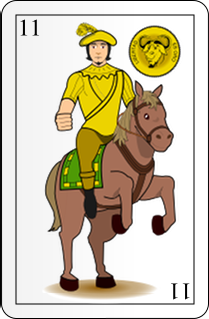 The four knights
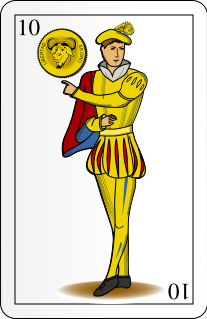 The four jacks
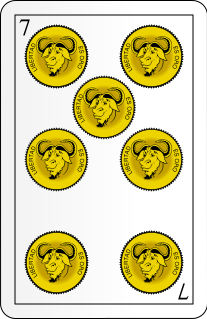 The four sevens
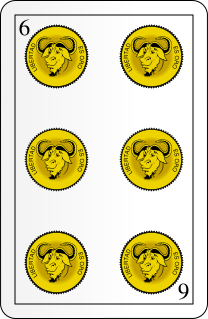 The four sixes
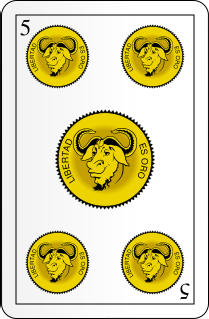 The four fives
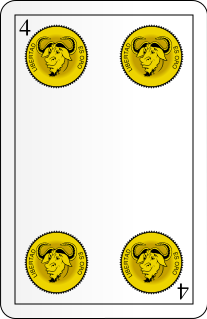 The four fours
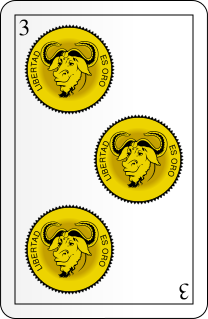 The four threes
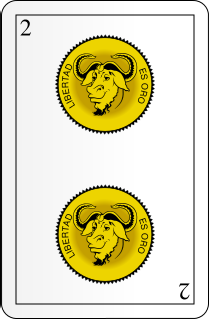 The four twos
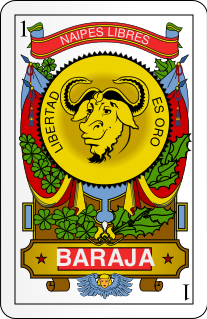 The four aces
With eight kings, threes go up with the kings and twos go down with the aces:
- The eight kings: the four kings and the four threes
- The four knights
- The four jacks
- The four sevens
- The four sixes
- The four fives
- The four fours
- The eight aces: the four aces and the four twos
In Small the order is the same, but the lowest wins: the ace is the best card for Small and the king, the worst.
The lead and the deal
Each player gets four cards, one at a time and anticlockwise, starting with the lead (mano). The other 24 form the stock for the discards.
The lead speaks first in everything, then the others in turn: first the player on their right. The lead also wins ties: if two hands are equal, whoever is closer to the lead in the order of play wins, that is, whoever speaks first.
In the first hand of the game the lead is drawn at random, and whoever cuts the mus becomes the lead. In each new hand, the player on the lead’s right becomes the lead. When a hand ends, the host deals the next one from the score screen.
Mus and the discard
Before the rounds, each player says whether they want to change cards. The lead starts and the others follow in turn: “Mus” to change or “Cut” (corto) to play with what you have.
If all four say “Mus”, you all discard at the same time, one to four cards each. Once all four have chosen, the stock replaces each player’s discards, in turn from the lead. If the stock runs out, the discards are shuffled into a new stock. The table shows how many cards each player changes.
Then the question goes round again from the lead. You can give mus as many times as needed, until someone cuts. As soon as someone cuts, the changes are over and Big begins.
In the first hand of the game, whoever cuts becomes the lead: they speak first in every round and win ties.
The four rounds
Each hand is played in four rounds, always in this order: Big, Small, Pairs and Game. If nobody has Game, the fourth round is Point. In each round you bet or pass and, unless a bet is declined, who wins is seen at the end of the hand, when the cards are revealed.
Before Pairs and before Game there is a round of questions: starting with the lead, each player says whether they hold them. On Barajamos the table only lets you tell the truth, and everyone sees each player’s answer.
- If both pairs hold them, bets are possible, and only those who hold them speak.
- If only one pair holds them, it takes the round with no bet.
- If nobody holds Pairs, Pairs is not played.
- If nobody has Game, Point is played.
Big and Small
In Big the highest card wins. If they tie, the second decides, and so on up to the fourth. For example, king, king, four and ace beats king, knight, knight and jack: they tie on the first king and the second card is better.
In Small the lowest card wins, comparing from the lowest up. Ace, ace, seven and king beats ace, four, five and six: they tie on the first ace and the second lowest card decides.
With eight kings, the three plays as a king and the two as an ace here too. In Big and Small everybody speaks, whatever they hold.
Pairs
There are three Pairs hands. From lowest to highest:
- Pair (par)
- Two equal cards. Worth 1 point.
- Three of a kind (medias)
- Three equal cards. Worth 2 points.
- Double pairs (duples)
- Two pairs, or four equal cards. Worth 3 points.
With the same hand, the one with higher cards wins: a pair of kings beats a pair of jacks. In double pairs the higher pair decides and, if they tie, the lower one. Four kings beat kings and knights.
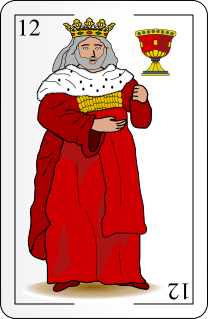
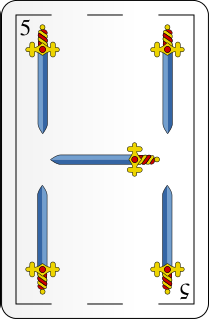
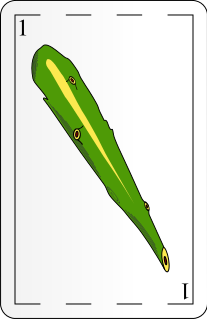 Two kings, a five and an ace: pair, 1 point.
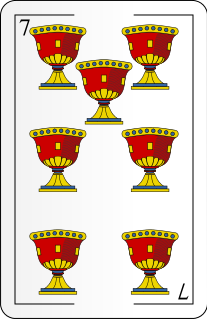
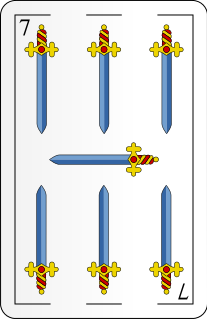
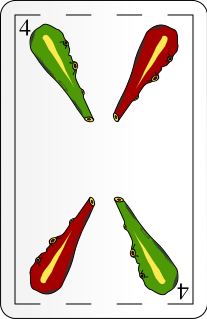 Three sevens and a four: three of a kind, 2 points.
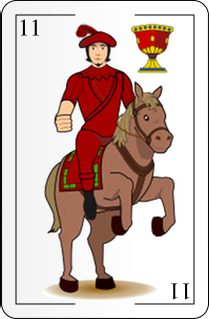
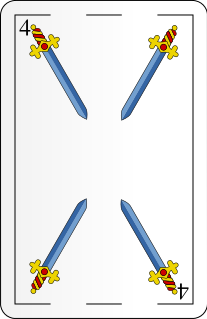 Two knights and two fours: double pairs, 3 points.
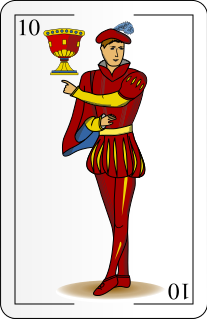
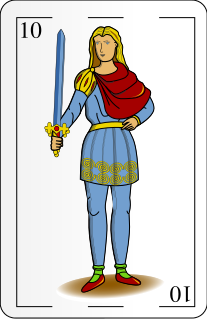
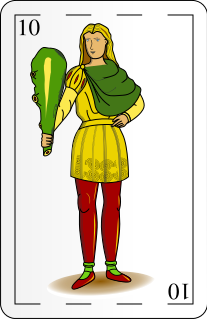 Four jacks: also double pairs, 3 points.
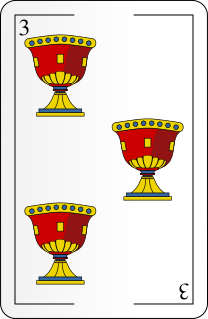
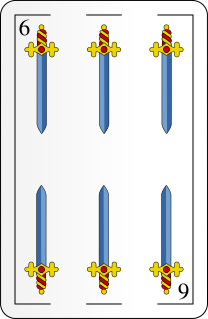 King, three, six and ace: no pairs, 0 points.
With eight kings, the three pairs with the king and the two with the ace:
- The same hand with eight kings: the three counts as a king, so there is a pair, 1 point.
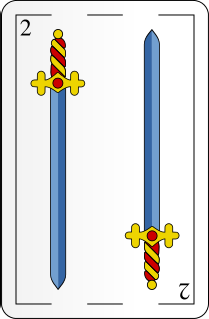 Three, king, two and ace: a pair of kings and a pair of aces, double pairs, 3 points. With four kings it would have no pairs.
Whoever wins Pairs collects, on top of the bet, what the Pairs of both players in their pair are worth. The losing pair’s Pairs do not count.
Game
You have Game if your four cards add up to 31 or more. The best Game is 31; then come 32, 40, 37, 36, 35, 34 and 33. With no eights or nines, 38 and 39 cannot happen.
- King, knight, jack and ace: 31, the best Game.
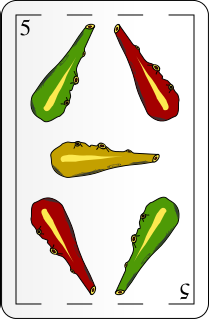 King, jack, seven and five: 32, the second best.
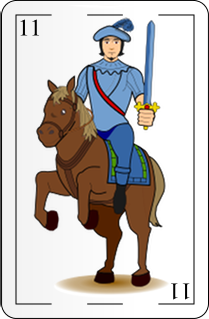 Four court cards: 40, which beats any Game except 31 and 32.
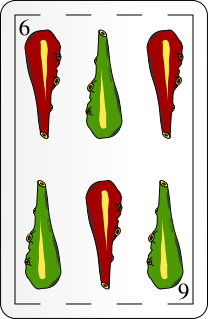 King, knight, seven and six: 33, the lowest Game.
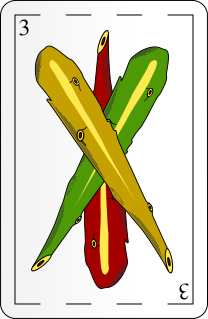 King, knight, seven and three: 30, no Game. At Point there is nothing better.
With eight kings, the three is worth 10 and the two is worth 1:
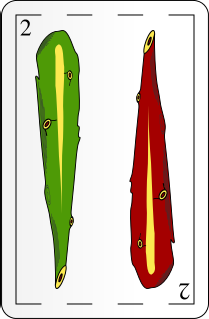 Three, king, knight and two: they add up to 31, the best Game. With four kings it would be 25, no Game.
Whoever wins Game collects, on top of the bet, 3 points for each player in their pair with 31 and 2 for each one with any other Game.
Point
If nobody has Game in the round of questions, Point is played instead. The cards are added up as for Game and whoever gets closest to 30 wins. At Point everybody speaks.
Bets
In each round, starting with the lead, each player can say “Pass” or bet. In Pairs and Game only those who hold them speak. The minimum bet is 2 points (“Bet 2”, envido), but you can bet as many as you like up to 40, what the game is worth, or call órdago.
The other pair answers the bet, even if one of them had passed before. You both vote (in Pairs and Game, only whoever holds them) and one “Accept” (quiero) is enough. If neither accepts, it is declined (no quiero).
You can also raise: that accepts the bet and bets more, by any amount above it up to 40; with 40 on the table only the órdago is left. Then the other pair answers. As soon as a bet is accepted or declined, the round closes and the next one starts.
If everyone passes, the round is left in pass (en paso): there is no bet and what the scoring says is collected at the end.
If a bet is declined, the pair that bet wins the round, even if their cards are worse, and immediately collects the deje: what was already accepted before the last bet, and at least 1 point.
| Bets | If declined, it collects |
|---|---|
| Bet 2 | 1 point, the pair that bet |
| Bet 2 and raise to 5 | 2 points, the pair that raised |
| Bet 2, raise to 5 and raise to 10 | 5 points, the pair that raised to 10 |
| Órdago with no bet before | 1 point, the órdago pair |
| Bet 2 and órdago | 2 points, the órdago pair |
The órdago
An órdago bets the whole game. An órdago cannot be raised: it is accepted or declined.
If it is accepted, the hand ends there: the cards are revealed and the pair with the best hand in that round wins the game, without playing the remaining rounds. If it is declined, whoever called it collects the deje and the hand goes on.
Scoring and the end of the game
| Hand | Points per player |
|---|---|
| Pair | 1 |
| Three of a kind | 2 |
| Double pairs | 3 |
| Game of 31 | 3 |
| Other Game (32, 33 to 37 or 40) | 2 |
| Round | In pass | Bet accepted | Bet declined |
|---|---|---|---|
| Big | 1 | The bet | The deje |
| Small | 1 | The bet | The deje |
| Pairs | Their Pairs | The bet and their Pairs | The deje and their Pairs |
| Game | Their Game | The bet and their Game | The deje and their Game |
| Point | 1 | The bet | The deje |
“Their Pairs” and “their Game” are the points from the first table, adding both players of the pair that wins the round. If only one pair holds Pairs or Game, it collects those points with no bet.
The deje is collected immediately. The rest is counted at the end of the hand, with the cards face up and in order: Big, Small, Pairs and Game or Point. The table marks the best hand in each round and adds it up for you.
As soon as a pair reaches 40, counting stops and it wins the game, even if the other pair had points to collect in later rounds. If the deje takes a pair to 40, the game ends on the spot.
If someone loses the connection
Your chair waits for you for a minute and, if you come back, you get your seat and your cards back. If you do not come back, the game is cancelled and everyone returns to the room.
How it is played on Barajamos
These choices are fixed at the Barajamos table:
- A single game to 40 points, with no amarracos or vacas.
- Four or eight kings, depending on the mode you choose.
- The first lead is drawn at random and, in that hand, whoever cuts the mus becomes the lead.
- The discard happens at the same time for all four, one to four cards each.
- The questions on Pairs and Game are answered in front of everyone and always truthfully.
- No signals.
- One “Accept” from the pair is enough to accept a bet.
- An accepted órdago is settled with that round, without playing the remaining ones.
Variants at other tables
Mus changes a lot from one region to another, starting with whether it is played with eight kings or four. At many tables partners pass signals, those allowed by the rules or local custom. Points are counted with stones and amarracos, of five stones each, and the game is split into vacas of several games. In some areas it is played to 30 points instead of 40, and in others the «real» counts: three sevens and a court card (the most accepted version asks for the jack of coins), a 31 that beats any other Game. You will find more information on Wikipedia. On Barajamos it is played with the rules on this page.
Glossary
- Hand (mano)
- Each deal, with its mus and its four rounds. The player who speaks first and wins ties is also called the mano.
- Mus
- Asking to change cards. If all four say “Mus”, there is a discard.
- Cut (cortar)
- Saying “Corto”: no more changes and the rounds begin.
- Round (lance)
- Each part of the hand on which you bet: Big, Small, Pairs and Game, or Point.
- Round of questions
- Before Pairs and Game, each player says whether they hold them.
- Bet (envite)
- A bet of points in a round.
- In pass (en paso)
- A round in which nobody bets. It is collected at the end of the hand.
- Deje
- What the pair that bet collects when the bet is declined: what was accepted before the last bet, or 1 point if there was nothing.
- Órdago
- A bet of the whole game.
- Pair, three of a kind and double pairs
- Two equal cards, three equal cards, and two pairs or four equal cards.
- Game (juego)
- Four cards adding up to 31 or more.
- Point (punto)
- What your cards add up to when nobody has Game. Whoever gets closest to 30 wins.
- Tanto
- Each point on the scoreboard. The game is to 40.
- Stones and amarracos
- At many tables points are counted with stones, and five stones make an amarraco. On Barajamos they are counted in points.
Up for a game of mus?
You learn by playing. Against bots you go at your own pace, and in each round the table shows you what you can do.